สถิตกลางใจประชาราษฎร์ ด้วยสำนึกในพระมหากรุณาธิคุณตราบนิจนิรันดร์
ขอถวายอาลัย
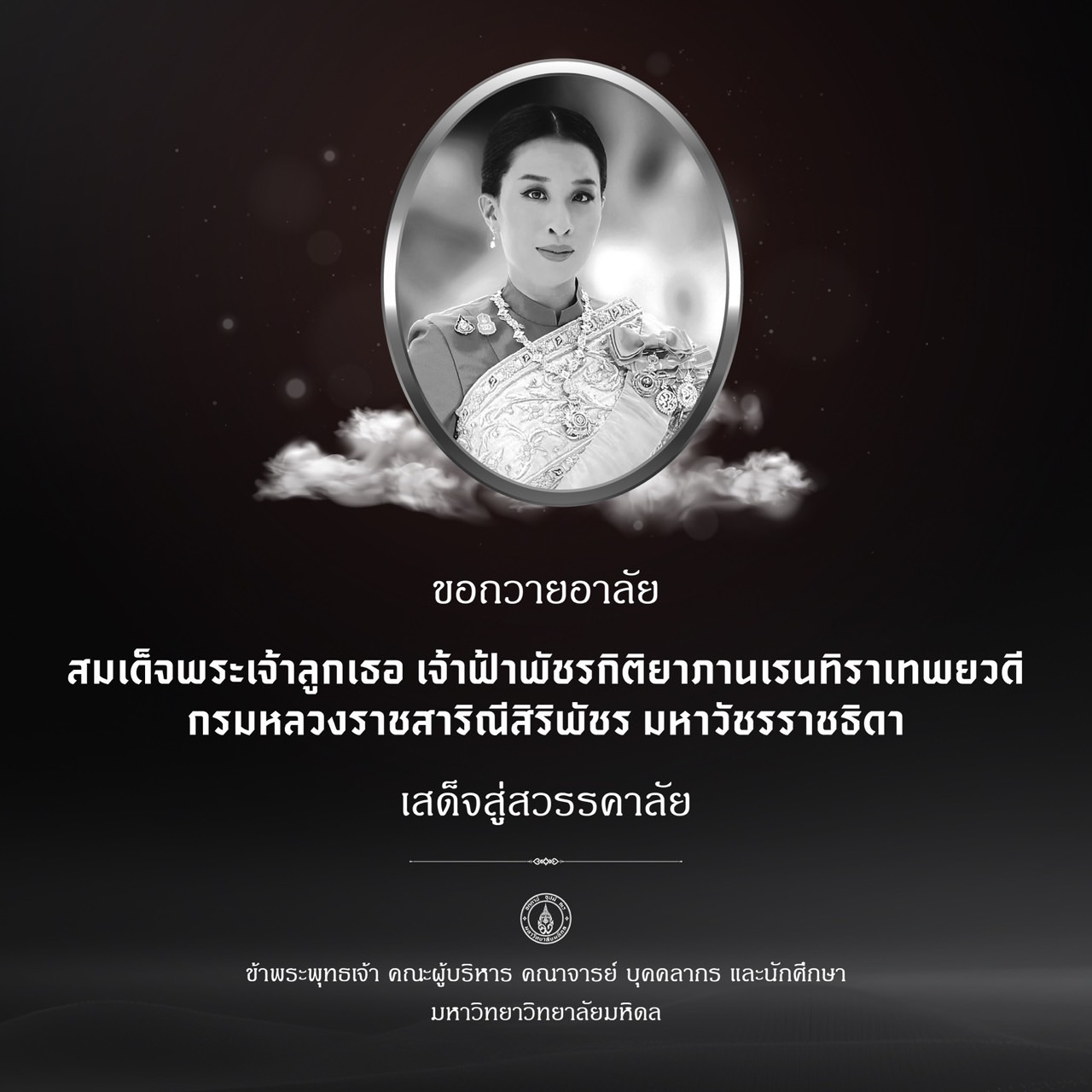
Anatomy and Structural Biology, PhD and MSc Programs.
SDGs & Research output (ผลงานวิจัย)
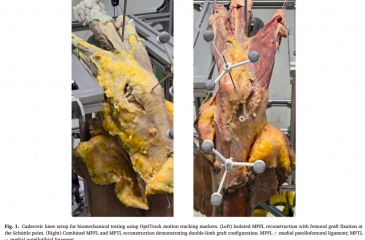
Additional medial patellotibial ligament reconstruction reduced lateral patellar translation compared with isolated medial patellofemoral ligament reconstruction without increasing patellofemoral contact pressure: a cadaveric study
ชื่องานวิจัย ภาษาไทย การสร้างเอ็นสะบ้า–หน้าแข้งด้านใน (MPTL) เพิ่มเติม ช่วยลดการเคลื่อนของกระดูกสะบ้าไปทางด้านข้างเมื่อเปรียบเทียบกับการสร้างเอ็นสะบ้า–ต้นขาด้านใน (MPFL) เพียงอย่างเดียว โดยไม่เพิ่มความดันบริเวณข้อสะบ้า–ต้นขา: การศึกษาในอาจารย์ใหญ่แบบนุ่มเสมือนจริง Highlight การศึกษานี้แสดงให้เห็นว่า การสร้างเอ็นสะบ้า–หน้าแข้งด้านใน (MPTL) ร่วมกับเอ็นสะบ้า–ต้นขาด้านใน (MPFL) ช่วยลดการเคลื่อนของกระดูกสะบ้าไปทางด้านข้างได้มากกว่าการสร้าง MPFL เพียงอย่างเดียว โดยเฉพาะในช่วงเข่างอมาก ขณะที่ไม่เพิ่มความดันเฉลี่ยในข้อสะบ้า–ต้นขาอย่างมีนัยสำคัญ สนับสนุนประโยชน์ทางชีวกลศาสตร์ของการสร้าง MPTL เพิ่มเติมในการรักษาภาวะกระดูกสะบ้าไม่มั่นคง ที่มาและความสำคัญ แม้การสร้างเอ็นสะบ้า–ต้นขาด้านใน (MPFL; Medial patellofemoral ligament) […]
-

Tuna blood hydrolysate mitigates exercise-induced muscle fatigue via energy metabolism and mitochondrial biogenesis
-

Effects of glutamate supplementation on feed consumption, intestinal histology, growth performance, muscle mass, intestinal barrier, and antioxidant-immune genes in the juvenile giant freshwater prawn, Macrobrachium rosenbergii
-

Photoprotective effects of Caulerpa lentillifera extract against UV-induced cellular damage via Nrf2 activation and MMP inhibition
-

Sulfated galactan from Gracilaria fisheri exhibits selective microbial utilization and gut-modulating bioactivity
-

Diagnostic utility of inflammatory markers in formalin-fixed and paraffin-embedded muscle biopsies for idiopathic inflammatory myopathies
-

Biomechanical stability of single-bundle PCL reconstruction with and without suture tape augmentation: a cadaveric study
-

The Prevalence of Pancreas Divisum and Its Association with Pancreatic Diseases: A Systematic Review and Meta-Analysis
-

New Insights Into the Anconeus Epitrochlearis Muscle and Its Relationship to the Ulnar Nerve: Anatomical Study
-

Examination of the role of neuropeptide F in promoting food intake, digestive functioning, growth performance, and expression of immune-related genes in juvenile giant freshwater prawn, Macrobrachium rosenbergii
University Life
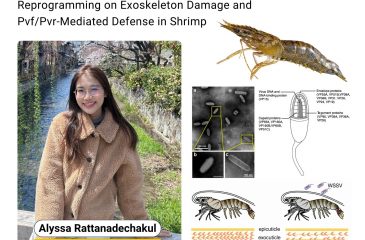
Alyssa Rattanadechakul’s Ph.D. Qualifying Examination on Tuesday 6th October 2026, 13:00-16:00, @AN1-202. All are welcome.
Title: The Impact of WSSV-Induced Lipid Metabolic Reprogramming on Exoskeleton Damage and Pvf/Pvr-Mediated Defense in Shrimp Ph.D. Qualifying Examination 🌟 Title: The Impact of WSSV-Induced Lipid Metabolic Reprogramming on Exoskeleton Damage […]
-

Chayut Somphakdee’s Ph.D. Qualifying Examination on Tuesday 1st September 2026, 09:00-12:00, @AN1-202. All are welcome.
-

Katmanee Wannakomate’s M.Sc. Proposal Examination on Wednesday 23rd September 2026, 13:00-16:00, @AN1-202. All are welcome.
-

Pannasa Manjit’s Ph.D. Proposal Examination on Monday 14th September 2026, 09:00-12:00, @AN1-202. All are welcome.
-

หลักสูตรบัณฑิตศึกษา สาขาวิชากายวิภาคศาสตร์และชีววิทยาโครงสร้าง (นานาชาติ) จัดกิจกรรมเยี่ยมชมและศึกษาดูงาน ณ บริษัท เอพี 2022 จำกัด
Congratulations!!
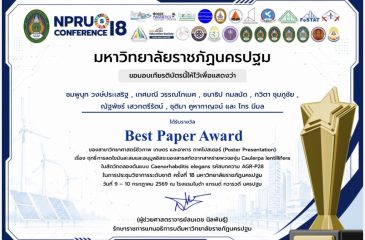
ขอแสดงความยินดีกับนักศึกษาบัณฑิต ศิษย์เก่า และอาจารย์ภาควิชากายวิภาคศาสตร์ ได้รับรางวัล Best Paper Award
ภาควิชากายวิภาคศาสตร์ คณะวิทยาศาสตร์ มหาวิทยาลัยมหิดล ขอแสดงความยินดีกับ นักศึกษาบัณฑิต ศิษย์เก่า และคณาจารย์ ที่ได้รับรางวัล Best Paper Award (Poster Presentation) สาขาวิทยาศาสตร์ชีวภาพ เกษตร และอาหาร จากการนำเสนอผลงานวิจัยในการประชุมวิชาการระดับชาติ NPRU Conference ครั้งที่ 18 จัดโดยมหาวิทยาลัยราชภัฏนครปฐม ระหว่างวันที่ 9–10 กรกฎาคม 2569 ณ โรงแรมไมด้า แกรนด์ ทวารวดี […]

Scholarship 2026
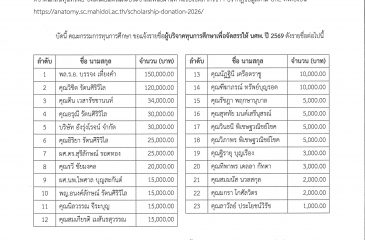
ประกาศรายชื่อผู้บริจาคทุนการศึกษาเพื่อจัดสรรให้นักศึกษาแพทย์ ปี 2569
ตามที่ภาควิชากายวิภาคศาสตร์ คณะวิทยาศาสตร์ มหาวิทยาลัยมหิดล ได้เรียนเชิญบริจาคทุนการศึกษาสำหรับนักศึกษาแพทย์สังกัด คณะแพทยศาสตร์ สถาบันพระบรมราชชนก (ศูนย์นครสวรรค์ นครศรีธรรมราช หรือราชบุรี) ที่ขาดแคลนทุนทรัพย์ ซึ่งได้เผยแพร่และประชาสัมพันธ์ผ่านทางเว็บไซต์ภาควิชาฯ ดังที่ปรากฎข้อมูลตาม URL https://anatomy.sc.mahidol.ac.th/scholarship-donation-2026/ นั้น บัดนี้ คณะกรรมการทุนการศึกษา ขอแจ้งรายชื่อผู้บริจาคทุนการศึกษาเพื่อจัดสรรให้ นศพ. ปี 2569 ดังรายชื่อต่อไปนี้ ยอดเงินบริจาคทุนการศึกษาเพื่อจัดสรรให้ นศพ. ปี 2569 รวมทั้งหมด 545,000.00 บาท (ห้าแสนสี่หมื่นห้าพันบาทถ้วน) […]
-

ประกาศรายชื่อนักศึกษาแพทย์ที่ขาดแคลนทุนทรัพย์ ผู้ได้รับทุนการศึกษาจากผู้บริจาคทุน จัดสรรโดย ภาควิชากายวิภาคศาสตร์ ปี 2569
-

เรียนเชิญบริจาคทุนการศึกษาเพื่อจัดสรรให้นักศึกษาแพทย์ที่ขาดแคลนทุนทรัพย์ ปี 2569
-

ประกาศรายชื่อนักศึกษาแพทย์ผู้ที่มีสิทธิ์เข้ารับการสัมภาษณ์เพื่อรับทุนการศึกษา จากผู้บริจาคทุน จัดสรรโดยภาควิชากายวิภาคศาสตร์ ปีการศึกษา 2569
-

ประกาศสมัครขอรับทุนการศึกษาสําหรับนักศึกษาแพทย์จากผู้บริจาคทุน จัดสรรโดยภาควิชาฯ ปีการศึกษา 2569
Thiel cadaver
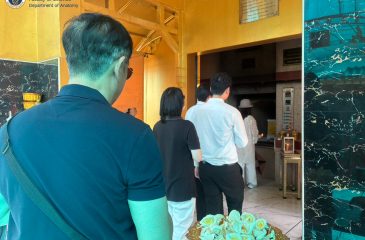
ภาควิชากายวิภาคศาสตร์ คณะวิทยาศาสตร์ มหาวิทยาลัยมหิดล ดำเนินการฌาปนกิจร่างอาจารย์ใหญ่ (Thiel cadaver) ครั้งที่ 3/2569
เมื่อวันที่ 21 พฤษภาคม 2569 ภาควิชากายวิภาคศาสตร์ คณะวิทยาศาสตร์ มหาวิทยาลัยมหิดล ได้ดำเนินการฌาปนกิจร่างอาจารย์ใหญ่ เอกปวิฒ อิงคภาวัฏร โดยมีญาติอาจารย์ใหญ่และเจ้าหน้าที่ของภาควิชาฯเข้าร่วมพิธี ณ วัดเวตะวันธรรมาวาส เขตบางซื่อ กรุงเทพฯ เวลา 09.30 น. การอุทิศร่างกายของอาจารย์ใหญ่ในครั้งนี้ ภาควิชาได้นำร่างอาจารย์ใหญ่ศึกษาเพื่อทางการแพทย์และเพื่องานวิจัยในการรักษาสภาพร่างที่คิดค้นขึ้นมาใหม่ ทั้งนี้ภาควิชาฯ จะนำเถ้ากระดูก เล็บและเส้นผมของอาจารย์ใหญ่เข้าร่วมพิธีพระราชทานเพลิงศพฯ ต่อไป ขอบุญกุศลที่ท่านอาจารย์ใหญ่ได้อุทิศไว้ เป็นผลบุญนำดวงวิญญาณของท่านอาจารย์ใหญ่สู่สุขคติในสัมปรายภพ ที่ปรึกษา การเขียนข่าวเพื่อประชาสัมพันธ์: รศ.ดร.สมลักษณ์ อสุวพงษ์พัฒนาเขียนข่าว: […]
-

ภาควิชากายวิภาคศาสตร์ คณะวิทยาศาสตร์ มหาวิทยาลัยมหิดล ดำเนินการฌาปนกิจร่างอาจารย์ใหญ่ (Thiel cadaver) ครั้งที่ 2/2569
-

ภาควิชากายวิภาคศาสตร์ คณะวิทยาศาสตร์ มหาวิทยาลัยมหิดล ดำเนินการฌาปนกิจร่างอาจารย์ใหญ่ (Thiel cadaver) ครั้งที่ 1/2569
-

ภาควิชากายวิภาคศาสตร์ คณะวิทยาศาสตร์ มหาวิทยาลัยมหิดล ดำเนินการฌาปนกิจร่างอาจารย์ใหญ่ (Thiel cadaver) ครั้งที่ 23/2568
-

ภาควิชากายวิภาคศาสตร์ คณะวิทยาศาสตร์ มหาวิทยาลัยมหิดล ดำเนินการฌาปนกิจร่างอาจารย์ใหญ่ (Thiel cadaver) ครั้งที่ 22/2568
International Activities
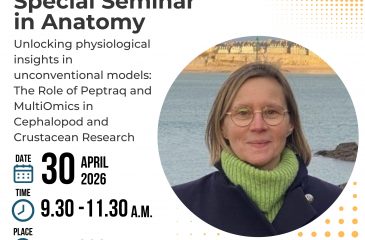
Special Seminar in Anatomy, title “Unlocking physiological insights in unconventional models: The Role of Peptraq and MultiOmics in Cephalopod and Crustacean Research”
🌟 Special Seminar in Anatomy 🌟 The Department of Anatomy, Faculty of Science, Mahidol University cordially invites you to join our upcoming seminar: 🐙 Title: Unlocking physiological insights in unconventional […]
-

Special Seminar in Anatomy: Linking the Immune and Nervous Systems in Crayfish
-

🧠 Immunity meets the nervous system — in crayfish! 🦐 Don’t miss the Special Seminar in Anatomy.
-

Special seminar in Anatomy, title “Genetic Code Expansion (GCE): A Cutting-Edge Tool for Protein Research and Therapeutic Applications”
-

Special seminar in Anatomy, title “Genetic Code Expansion (GCE): A Cutting-Edge Tool for Protein Research and Therapeutic Applications”
SDGs & Activity/Project (กิจกรรม/โครงการ)
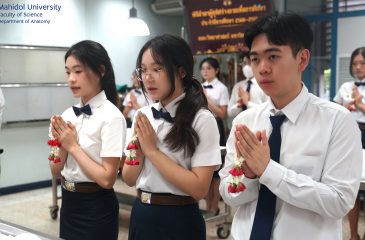
พิธีขอขมาและอำลาร่างอาจารย์ใหญ่ ประจำปีการศึกษา 2568
วันเสาร์ที่ 5 กันยายน 2569 ภาควิชากายวิภาคศาสตร์ คณะวิทยาศาสตร์ มหาวิทยาลัยมหิดล ได้จัดพิธีขอขมาและอำลาร่างอาจารย์ใหญ่ขึ้นเพื่อเป็นการแสดงความกตัญญูกตเวทิตาคุณแด่อาจารย์ใหญ่ ผู้อุทิศร่างกายเพื่อการศึกษา เมื่อสิ้นสุดการเรียนการสอนในรายวิชามหกายวิภาคศาสตร์ ของนักศึกษาแพทย์ ชั้นปีที่ ๒ ต่อเนื่องถึงปีที่ ๓ คณะแพทยศาสตร์ สถาบันพระบรมราชชนก นักศึกษาระดับบัณฑิตศึกษา สาขากายวิภาคศาสตร์และชีววิทยาโครงสร้าง (นานาชาติ) คณะวิทยาศาสตร์ มหาวิทยาลัยมหิดล นักศึกษาวิทยาศาสตร์ชีวการแพทย์ (นานาชาติ) คณะวิทยาศาสตร์ มหาวิทยาลัยมหิดล คณะแพทยศาสตร์ศรีสวางควัฒน ราชวิทยาลัยจุฬาภรณ์ คณะแพทยศาสตร์ มหาวิทยาลัยกรุงเทพธนบุรี […]
-

ภาควิชากายวิภาคศาสตร์ คณะวิทยาศาสตร์ มหาวิทยาลัยมหิดล ได้ดำเนินการจัดงาน Soft Cadaver Workshop เพื่อการฝึกทำหัตถการทางศัลยศาสตร์ของศัลยแพทย์ ภาควิชาศัลยศาสตร์ช่องปากและแม็กซิลโลเฟเชียล คณะทันตแพทยศาสตร์ มหาวิทยาลัยมหิดล ปี 2569
-

ภาควิชากายวิภาคศาสตร์ คณะวิทยาศาสตร์ มหาวิทยาลัยมหิดล ได้ดำเนินการจัดโครงการอบรมเชิงปฏิบัติการ การเจาะเลือดผู้บริจาคร่างกายที่เสียชีวิตเพื่อตรวจคัดกรองโรคติดต่อก่อนการรับร่างเป็นอาจารย์ใหญ่
-

ภาควิชากายวิภาคศาสตร์ คณะวิทยาศาสตร์ มหาวิทยาลัยมหิดล ได้ดำเนินการจัดงาน Soft Cadaver Workshop เพื่อการฝึกทำหัตถการทางศัลยศาสตร์ของศัลยแพทย์ (ครั้งที่1) ปี 2569 ภาควิชาศัลยศาสตร์ คณะแพทยศาสตร์โรงพยาบาลรามาธิบดี มหาวิทยาลัยมหิดล
-

ภาควิชากายวิภาคศาสตร์ คณะวิทยาศาสตร์ มหาวิทยาลัยมหิดล ได้ดำเนินการจัดงาน Soft Cadaver Workshop เพื่อการฝึกทำหัตถการทางศัลยศาสตร์ของศัลยแพทย์ (ครั้งที่ 2) ปี 2568 ภาควิชาศัลยศาสตร์ คณะแพทยศาสตร์โรงพยาบาลรามาธิบดี มหาวิทยาลัยมหิดล
รับสมัครงาน 1 อัตรา
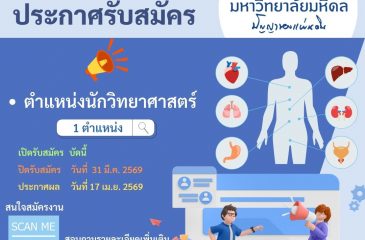
รับสมัครงาน ตำแหน่งนักวิทยาศาสตร์ ภาควิชากายวิภาคศาสตร์ คณะวิทยาศาสตร์ มหาวิทยาลัยมหิดล จำนวน 1 อัตรา
ตำแหน่ง: นักวิทยาศาสตร์ ประเภทบุคคล: พนักงานมหาวิทยาลัย สังกัด: คณะวิทยาศาสตร์ ปฏิบัติงานที่: ภาควิชากายวิภาคศาสตร์ เปิดรับสมัคร: บัดนี้ ปิดรับสมัคร: 31 มีนาคม 2569 ประกาศรายชื่อ: 17 เมษายน 2569 สอบถามรายละเอียดเพิ่มเติม หน่วยพัฒนาทรัพยากรบุคคล: โทรศัพท์ หมายเลข 0 2201 5026Email: suttida.sut@mahidol.ac.th เอกสารประกอบ: อ่านประกาศ สนใจสมัครงาน โปรดคลิกที่ link หรือ […]

กตัญญู.. ต่อครูผู้ยิ่งใหญ่
พิธีขอขมาและอำลาร่างอาจารย์ใหญ่ ประจำปีการศึกษา 2568
วันเสาร์ที่ 5 กันยายน 2569 ภาควิชากายวิภาคศาสตร์ คณะวิทยาศาสตร์ มหาวิทยาลัยมหิดล ได้จัดพิธีขอขมาและอำลาร่างอาจารย์ใหญ่ขึ้นเพื่อเป็นการแสดงความกตัญญูกตเวทิตาคุณแด่อาจารย์ใหญ่ ผู้อุทิศร่างกายเพื่อการศึกษา เมื่อสิ้นสุดการเรียนการสอนในรายวิชามหกายวิภาคศาสตร์ ของนักศึกษาแพทย์ ชั้นปีที่ ๒ ต่อเนื่องถึงปีที่ ๓ คณะแพทยศาสตร์ สถาบันพระบรมราชชนก นักศึกษาระดับบัณฑิตศึกษา สาขากายวิภาคศาสตร์และชีววิทยาโครงสร้าง (นานาชาติ) คณะวิทยาศาสตร์ มหาวิทยาลัยมหิดล นักศึกษาวิทยาศาสตร์ชีวการแพทย์ (นานาชาติ) คณะวิทยาศาสตร์ มหาวิทยาลัยมหิดล คณะแพทยศาสตร์ศรีสวางควัฒน ราชวิทยาลัยจุฬาภรณ์ คณะแพทยศาสตร์ มหาวิทยาลัยกรุงเทพธนบุรี […]
-

ภาควิชากายวิภาคศาสตร์ คณะวิทยาศาสตร์ มหาวิทยาลัยมหิดล รับมอบหีบทรงธรรมลายสร้อย ฐาน 3 ชั้น จากบริษัท สุริยาคอฟฟิน จำกัด (สุริยาหีบศพ-แคราย)
-

ภาควิชากายวิภาคศาสตร์ คณะวิทยาศาสตร์ มหาวิทยาลัยมหิดล รับมอบสิ่งของบริจาคและเงินสนับสนุนเพื่อใช้ในการดูแลร่างอาจารย์ใหญ่ จากเพจ “นิรันดร์” และเพจ “ห่มบุญ”
-

ภาควิชากายวิภาคศาสตร์ คณะวิทยาศาสตร์ มหาวิทยาลัยมหิดล ร่วมกับนักศึกษาวิทยาศาสตร์สุขภาพ จัดพิธีทำบุญอุทิศส่วนกุศลแด่อาจารย์ใหญ่ ประจำปีการศึกษา 2568 ณ วิทยาเขตศาลายา
-

ขอเชิญร่วมพิธี “อุทิศส่วนกุศลแด่ท่านอาจารย์ใหญ่” ปีการศึกษา 2568
Activities (กิจกรรม)
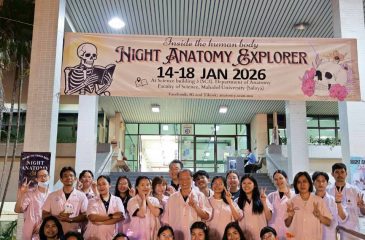
ภาควิชากายวิภาคศาสตร์ คณะวิทยาศาสตร์ มหาวิทยาลัยมหิดล จัดงาน Night Anatomy Explorer ในงาน MU-KU Fair 2026
ภาควิชากายวิภาคศาสตร์ คณะวิทยาศาสตร์ มหาวิทยาลัยมหิดล ได้จัดกิจกรรม Inside the human body: Night Anatomy Explorer กิจกรรมการเรียนรู้กายวิภาคศาสตร์ยามค่ำคืน ภายในงาน มหิดล-เกษตรแฟร์ 2569 ระหว่างวันที่ 14-18 มกราคม พ.ศ. 2569 ณ อาคารวิทยาศาสตร์ 3 คณะวิทยาศาสตร์ มหาวิทยาลัยมหิดล ศาลายา กิจกรรมดังกล่าวจัดขึ้นเพื่อเปิดโอกาสให้ประชาชนทั่วไป นักเรียน นักศึกษา และผู้ที่สนใจทุกเพศทุกวัย […]
-

INSIDE OUT: Anatomy Retreat
-

ภาควิชากายวิภาคศาสตร์ คณะวิทยาศาสตร์ มหาวิทยาลัยมหิดล ให้การต้อนรับผู้อำนวยการโรงเรียนและคณะฯ เข้าเยี่ยมชมการจัดการเรียนการสอนกายวิภาคศาสตร์
-

ภาควิชากายวิภาคศาสตร์ จัดพิธีปัจฉิมนิเทศ แสดงความยินดีแก่มหาบัณฑิตและดุษฎีบัณฑิต ประจำปีการศึกษา 2567
-

นักศึกษาแพทย์ คณะแพทยศาสตร์ สถาบันพระบรมราชชนก คว้ารางวัลรองชนะเลิศอันดับที่สอง งาน The 3rd Anatomy Contest
Staff Awards & Promotions
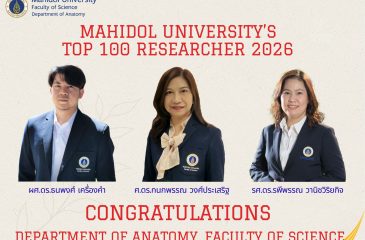
ภาควิชากายวิภาคศาสตร์ ขอแสดงความยินดีแด่อาจารย์ที่ได้รับการจัดอันดับ Mahidol University’s Top 100 Researcher ประจำปี 2026
ภาควิชากายวิภาคศาสตร์ คณะวิทยาศาสตร์ มหาวิทยาลัยมหิดล ขอแสดงความยินดีกับ ศาสตราจารย์ ดร.กนกพรรณ วงศ์ประเสริฐ ผู้ช่วยศาสตราจารย์ ดร.ธนพงศ์ เครื่องคำ และ รองศาสตราจารย์ ดร.รพีพรรณ วานิชวิริยกิจ อาจารย์ประจำภาควิชากายวิภาคศาสตร์ ที่ได้รับการจัดอันดับให้เป็นผู้มีผลงานตามเกณฑ์ Mahidol University’s Top 100 Researcher ประจำปี 2026 (ข้อมูล ณ วันที่ 30 มิถุนายน พ.ศ. 2568) […]
Soft cadaver คือ ร่างของผู้บริจาคร่างกายเพื่อการศึกษาแบบนิ่ม ซึ่งเสมือนกับร่างของผู้ป่วยจริงมากที่สุด
ภาควิชากายวิภาคศาสตร์ได้ดำเนินการฌาปนกิจร่างอาจารย์ใหญ่ (Soft cadaver) ครั้งที่ 13/2569
เมื่อวันที่ 17 มีนาคม 2569 ภาควิชากายวิภาคศาสตร์ คณะวิทยาศาสตร์ มหาวิทยาลัยมหิดล ได้ดำเนินการฌาปนกิจร่างอาจารย์ใหญ่ นางปราณี คู่ชม โดยมีญาติอาจารย์ใหญ่และเจ้าหน้าที่ของภาควิชาฯเข้าร่วมพิธี ณ วัดเวตวันธรรมาวาส เขตบางซื่อ กรุงเทพฯ เวลา 09.30 น. การอุทิศร่างกายของอาจารย์ใหญ่เพื่อการศึกษาทางการแพทย์โดยการใช้ร่างเพื่อฝึกฝนการใช้เครื่องมือทางการแพทย์ในการทำหัตถการ การศึกษาครั้งนี้เป็นการศึกษาของภาควิชาศัลยศาสตร์ คณะแพทยศาสตร์โรงพยาบาลรามาธิบดี มหาวิทยาลัยมหิดล เพื่อให้เกิดความชำนาญในการนำความรู้ไปใช้รักษาผู้ป่วยต่อไป ทั้งนี้ภาควิชาฯ จะนำเถ้ากระดูก เล็บและเส้นผมของอาจารย์ใหญ่เข้าร่วมพิธีพระราชทานเพลิงศพฯ ต่อไป ขอบุญกุศลที่ท่านอาจารย์ใหญ่ได้อุทิศไว้ เป็นผลบุญนำดวงวิญญาณของท่านอาจารย์ใหญ่สู่สุขคติในสัมปรายภพ ที่ปรึกษา […]
-

ภาควิชากายวิภาคศาสตร์ได้ดำเนินการฌาปนกิจร่างอาจารย์ใหญ่ (Soft cadaver) ครั้งที่ 12/2569
-

ภาควิชากายวิภาคศาสตร์ได้ดำเนินการฌาปนกิจร่างอาจารย์ใหญ่ (Soft cadaver) ครั้งที่ 11/2569
-

ภาควิชากายวิภาคศาสตร์ได้ดำเนินการฌาปนกิจร่างอาจารย์ใหญ่ (Soft cadaver) ครั้งที่ 10/2569
-

ภาควิชากายวิภาคศาสตร์ได้ดำเนินการฌาปนกิจร่างอาจารย์ใหญ่ (Soft cadaver) ครั้งที่ 9/2569
Academic Services (บริการวิชาการ)
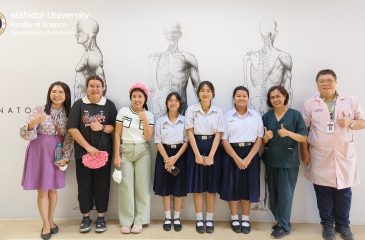
โครงการสร้างเสริมความรู้กายวิภาคศาสตร์ให้แก่นักเรียนชั้นมัธยมศึกษา โรงเรียนกาญจนาภิเษกวิทยาลัย นครปฐม (พระตำหนักสวนกุหลาบมัธยม) จังหวัดนครปฐม
เมื่อวันที่ 10 ตุลาคม 2567 ภาควิชากายวิภาคศาสตร์ คณะวิทยาศาสตร์ มหาวิทยาลัยมหิดล ได้จัดโครงการสร้างเสริมความรู้ทางกายวิภาคศาสตร์แก่นักเรียนระดับมัธยมศึกษาจากโรงเรียนกาญจนาภิเษกวิทยาลัย นครปฐม (พระตำหนักสวนกุหลาบมัธยม) จังหวัดนครปฐม โดยมีวัตถุประสงค์เพื่อให้นักเรียนและผู้สนใจได้รับประสบการณ์ตรงจากการเรียนรู้กับร่างอาจารย์ใหญ่ นอกจากนี้ยังเป็นการประชาสัมพันธ์ศักยภาพของคณะวิทยาศาสตร์และมหาวิทยาลัยมหิดล ในด้านการจัดการเรียนการสอน เพื่อดึงดูดความสนใจของนักเรียนให้เลือกศึกษาต่อที่มหาวิทยาลัยมหิดล อีกทั้งยังเป็นการสร้างเสริมประสบการณ์ในการสอนกายวิภาคศาสตร์ให้แก่นักศึกษาระดับบัณฑิตศึกษาของภาควิชาฯ โครงการนี้จัดขึ้นในรูปแบบของกิจกรรม BASIC LEVEL ANATOMY ซึ่งใช้เวลาทั้งหมด 3 ชั่วโมง ผู้เข้าร่วมโครงการได้เรียนรู้พื้นฐานเกี่ยวกับร่างกายมนุษย์ที่มีความซับซ้อนในระบบต่าง ๆ ทางกายวิภาคศาสตร์ ได้แก่ ระบบกระดูกและกล้ามเนื้อ ระบบการไหลเวียนเลือดและหัวใจ ระบบทางเดินหายใจและปอด […]

Easy IT
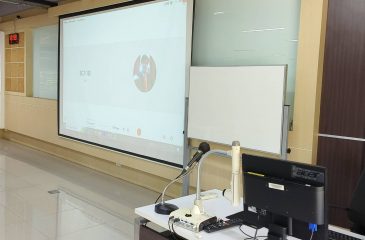
คู่มือ การใช้คอมพิวเตอร์ (Main PC) ประจำห้องเรียน SC2-152 ประกอบการบันทึกการสอนผ่าน Webex
กรณีที่ 1: ใช้ Main PC ในการสอน สำคัญมาก: ไฟสีฟ้า ต้องอยู่ที่ปุ่ม Main PC เท่านั้น หมายเหตุ โดยปกติแล้ว เจ้าหน้าที่ฯ จะเปิดเครื่องคอมพิวเตอร์ (Main PC) ไว้ให้ก่อนมีการเรียนการสอนถ้าหากพบว่า เครื่อง Main PC ยังไม่เปิด ให้ ดำเนินการเปิดเครื่องได้ทันที หรือติดต่อเจ้าหน้าที่โสตทัศนศึกษา งานการศึกษา ศาลายาเบอร์ 02 441 […]
-

Anatomy: ON-LINE IT services
-

บันทึกหน้าจอด้วย Power Point 2019
-

การ join Webex Meeting ด้วย web browser
-

การขอสิทธิ์เข้าใช้งาน Webex Meeting (สำหรับอาจารย์และเจ้าหน้าที่)