
Highlight
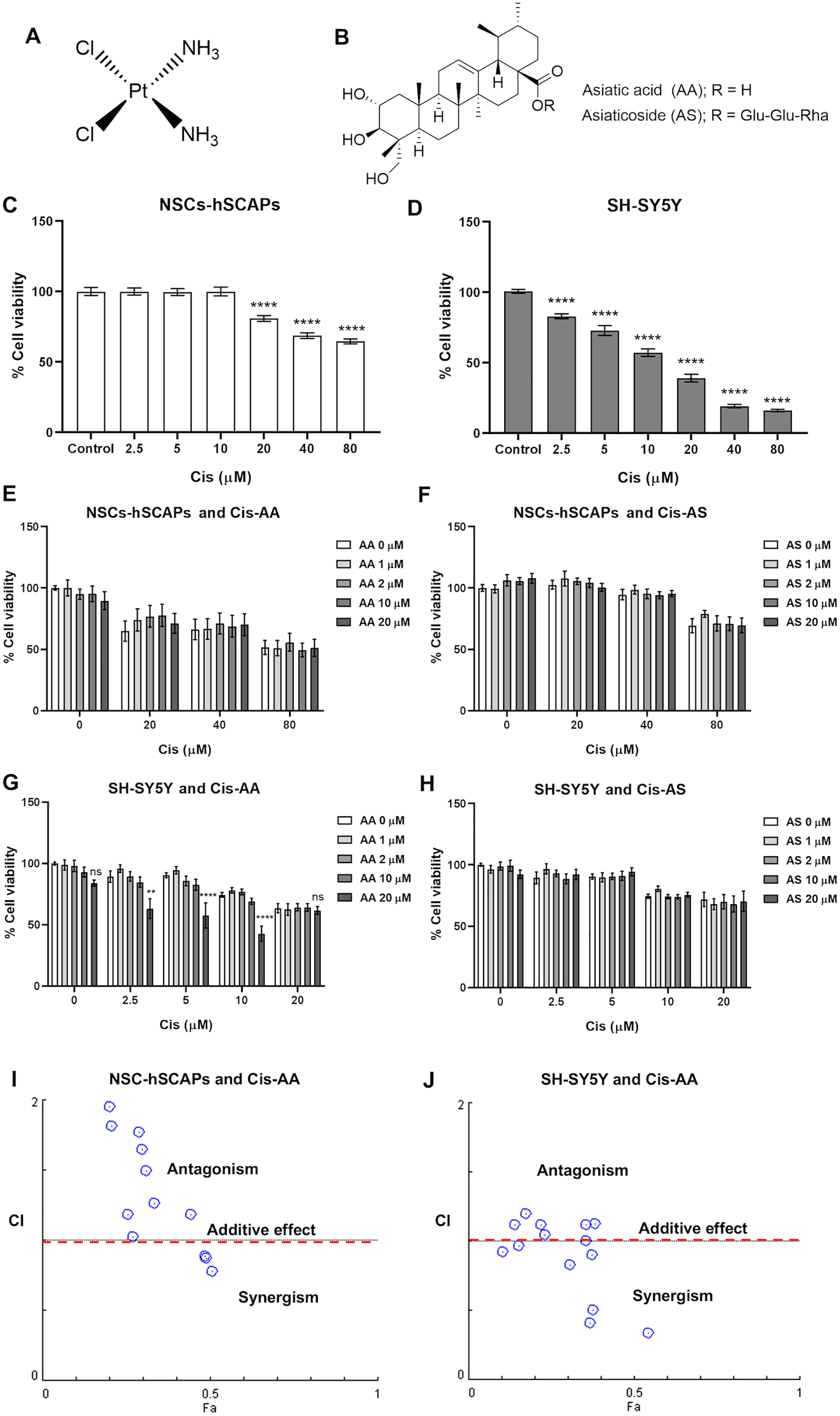
งานวิจัยนี้พบว่า กรดเอเชียติกซึ่งเป็นสารออกฤทธิ์ในบัวบกช่วยเสริมฤทธิ์ซิสพลาตินในการลดการมีชีวิตของเซลล์มะเร็งนิวโรบลาสโตมา SH-SY5Y โดยเพิ่มการตายแบบอะพอพโทซิส ลดการแสดงออกของยีนต้านอนุมูลอิสระ และอาจเกี่ยวข้องกับการยับยั้ง GSK3β ขณะที่ไม่พบผลลดการมีชีวิตเพิ่มเติมในแบบจำลองเซลล์ต้นกำเนิดประสาทที่เงื่อนไขเดียวกัน ผลการศึกษาสนับสนุนการพัฒนากรดเอเชียติกเป็นสารเสริมยาเคมีบำบัด แต่ยังต้องศึกษาต่อยอดก่อนใช้ในผู้ป่วย
ที่มาและความสำคัญ
การดื้อยาเคมีบำบัดเป็นอุปสรรคสำคัญในการรักษามะเร็งนิวโรบลาสโตมา อีกทั้งยาเคมีบำบัดอาจส่งผลกระทบต่อเซลล์ต้นกำเนิดประสาท การค้นหาสารที่ช่วยเพิ่มประสิทธิภาพของยาโดยมีผลกระทบต่อเซลล์ที่ไม่ใช่เซลล์มะเร็งต่ำ จึงเป็นแนวทางที่น่าสนใจ กรดเอเชียติก (asiatic acid) และเอเชียติโคไซด์ (asiaticoside) ซึ่งเป็นสารออกฤทธิ์ในบัวบก มีรายงานฤทธิ์ต้านมะเร็ง แต่ผลในการเสริมฤทธิ์ซิสพลาตินและผลต่อเซลล์ต้นกำเนิดประสาทยังต้องได้รับการศึกษาเพิ่มเติม งานวิจัยนี้จึงศึกษาผลของสารทั้งสองในเซลล์มะเร็งนิวโรบลาสโตมา SH-SY5Y และแบบจำลองเซลล์ต้นกำเนิดประสาทของมนุษย์ พบว่ากรดเอเชียติกช่วยเสริมฤทธิ์ซิสพลาตินในการลดการมีชีวิตของเซลล์มะเร็ง โดยเพิ่มการตายแบบอะพอพโทซิส ลดการแสดงออกของยีนต้านอนุมูลอิสระ และอาจเกี่ยวข้องกับการยับยั้งโปรตีน GSK3β ขณะที่ไม่พบผลลดการมีชีวิตเพิ่มเติมในแบบจำลองเซลล์ต้นกำเนิดประสาทภายใต้เงื่อนไขที่เลือกศึกษา ผลดังกล่าวสนับสนุนศักยภาพของกรดเอเชียติกในการพัฒนาเป็นสารเสริมยาเคมีบำบัด โดยยังจำเป็นต้องศึกษาต่อยอดก่อนนำไปใช้ในผู้ป่วย
Abstract
Objective: To investigate the anticancer effects of asiatic acid (AA) and asiaticoside (AS) in cisplatin (Cis)-resistant neuroblastoma SH-SY5Y and neural stem cells derived from human stem cells from apical papilla (NSCs-hSCAPs).
Methods: An MTT cell viability assay was performed to determine Cis toxicity and assess the cytotoxic effect of AA or AS on Cis-treated SH-SY5Y and the effect on NSCs-hSCAPs. Subsequently, the combination index (CI) was calculated to observe occurring interactions between the compound and Cis. For mechanistic exploration, flow cytometry using annexin V and PI staining and a caspase-3 activity assay were done to quantify apoptotic cell death. qRT-PCR was used to measure apoptotic and antioxidant mRNA levels. Additionally, the protein levels were analyzed by using the Western blot technique. Finally, to illustrate the putative interactions between the compound and its target, molecular docking was trialled.
Results: MTT results revealed that AS did not affect both cells. However, 20 µM AA in combination with 2.5 µM Cis could significantly reduce SH-SY5Y cell viability with a CI value of 0.41, indicating their synergistic effect. Moreover, the effective concentration of AA did not affect Cis-treated NSCs-hSCAPs, suggesting its low toxicity. Considering SH-SY5Y, AA alone or its combination dramatically increased % apoptotic cells, which showed a minimal increment in Cis alone. Importantly, the combination treatment significantly increased caspase-3 activity. Mechanistically, BAX levels were elevated, whereas BCL2, SOD-1, and HO-1 levels were downregulated by AA alone or in combination. These results were also consistent with Western blot analysis. Interestingly, an inhibition of GSK3β was observed in the combination treatment, suggesting that these outcomes may be related. The molecular docking illustrated that AA interacted with GSK3β and BCL-2 through multiple residues, indicating their potential binding interactions.
Conclusion: AA and Cis treatment suppressed SH-SY5Y cell viability by enhancing apoptosis, reducing antioxidant gene expression, and potentially inhibiting GSK3β.
KEYWORDS: Asiatic acid; asiaticoside; cisplatin; neuroblastoma; SH-SY5Y; neural stem cells; apoptosis; GSK3β
Citation: Jiso A, Yurasakpong L, Thongsuk A, Chodchavanchai T, Ruangsawasdi N, Dharmasaroja P, Songsaad AT, Tangrodchanapong T. (2026). Anticancer activity of asiatic acid in cisplatin-resistant human neuroblastoma SH-SY5Y and its unaffected effect on human neural stem cells. PLoS One, 21(9), e0358134. https://doi.org/10.1371/journal.pone.0358134
RELATED SDGs:
3. GOOD HEALTH AND WELL-BEING

ผู้ให้ข้อมูล: ผู้ช่วยศาสตราจารย์ ดร.ลภัสรดา ยุรศักดิ์พงศ์
ชื่ออาจารย์ที่ทำวิจัย: ผู้ช่วยศาสตราจารย์ ดร.ลภัสรดา ยุรศักดิ์พงศ์
Credit ภาพ: ผู้ช่วยศาสตราจารย์ ดร.ลภัสรดา ยุรศักดิ์พงศ์
Webmaster: ว่าที่ ร.อ. นเรศ จันทรังสิกุล
Tags: Asiatic acid, asiaticoside, cisplatin, neuroblastoma, SH-SY5Y, neural stem cells, apoptosis, GSK3β