
สารสกัดเอทานอลจาก Gracilaria fisheri และสารบริสุทธิ์ N-benzylcinnamamide ยับยั้งการยึดเกาะและการสร้างไบโอฟิล์มของ Staphylococcus epidermidis บนพื้นผิวอุปกรณ์ทางการแพทย์
Highlight
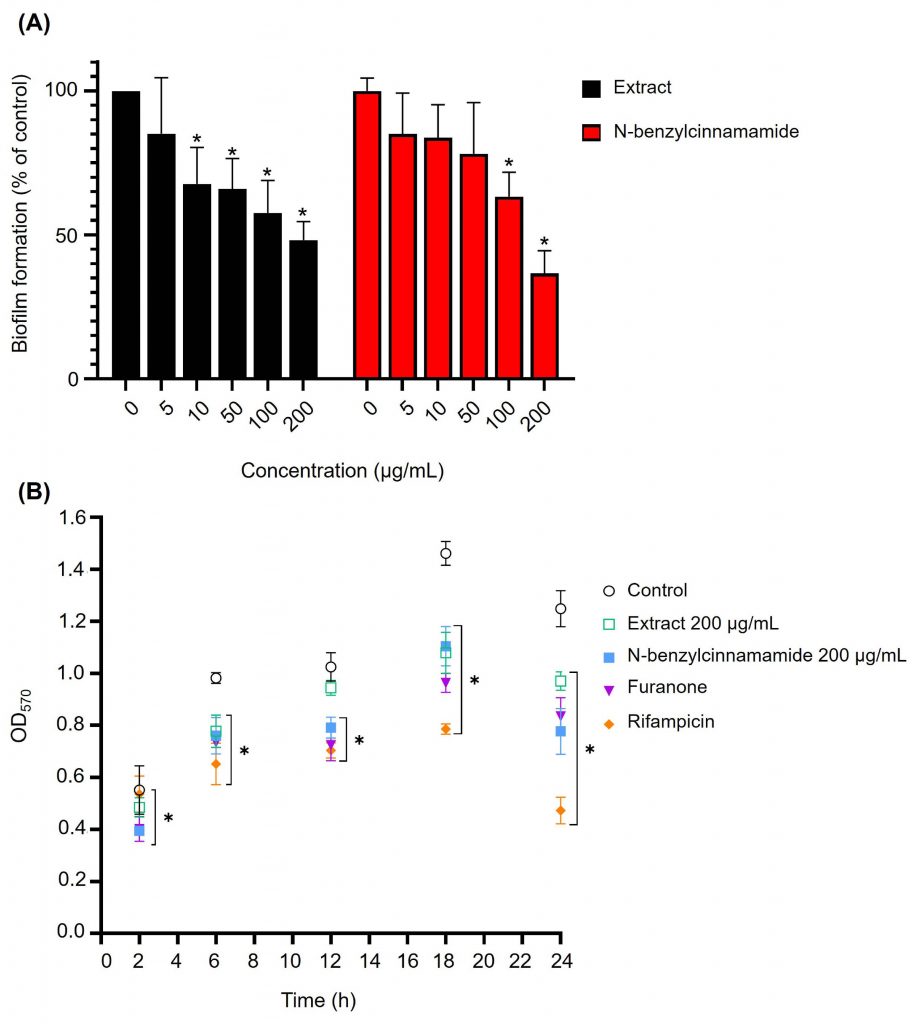
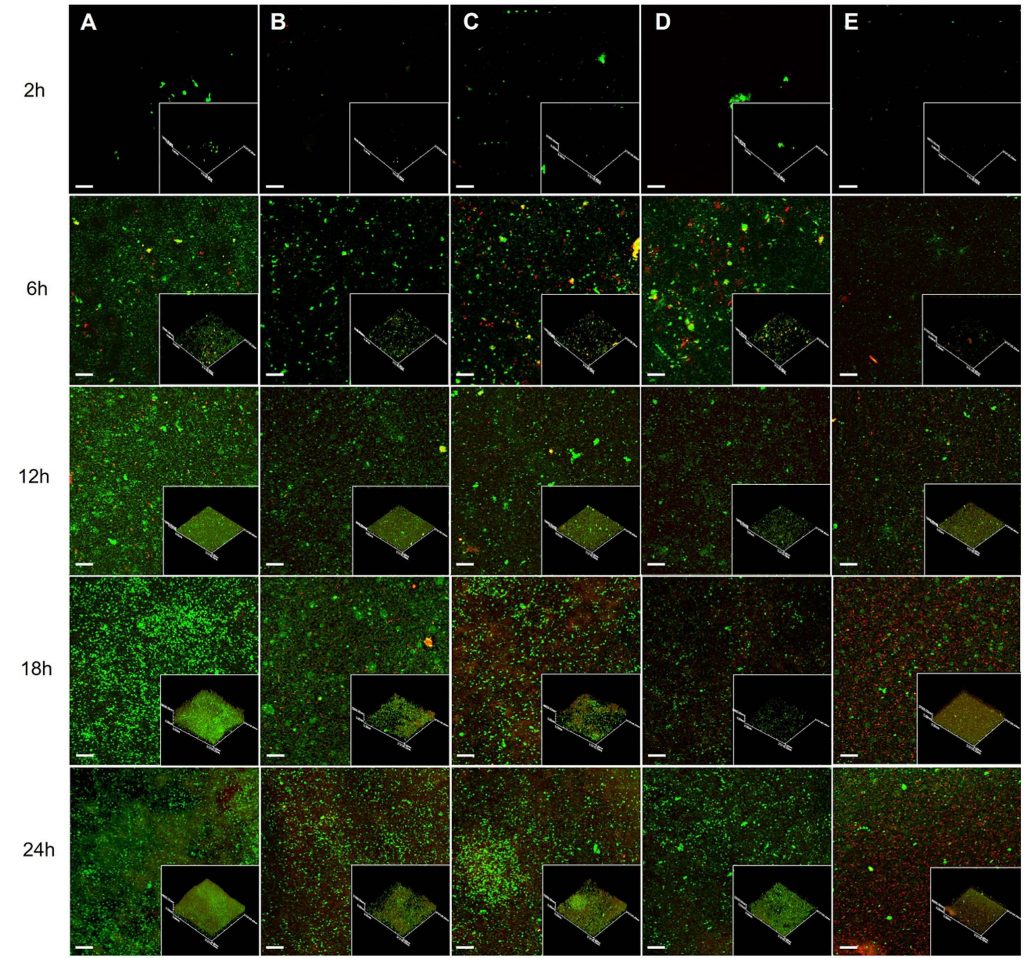
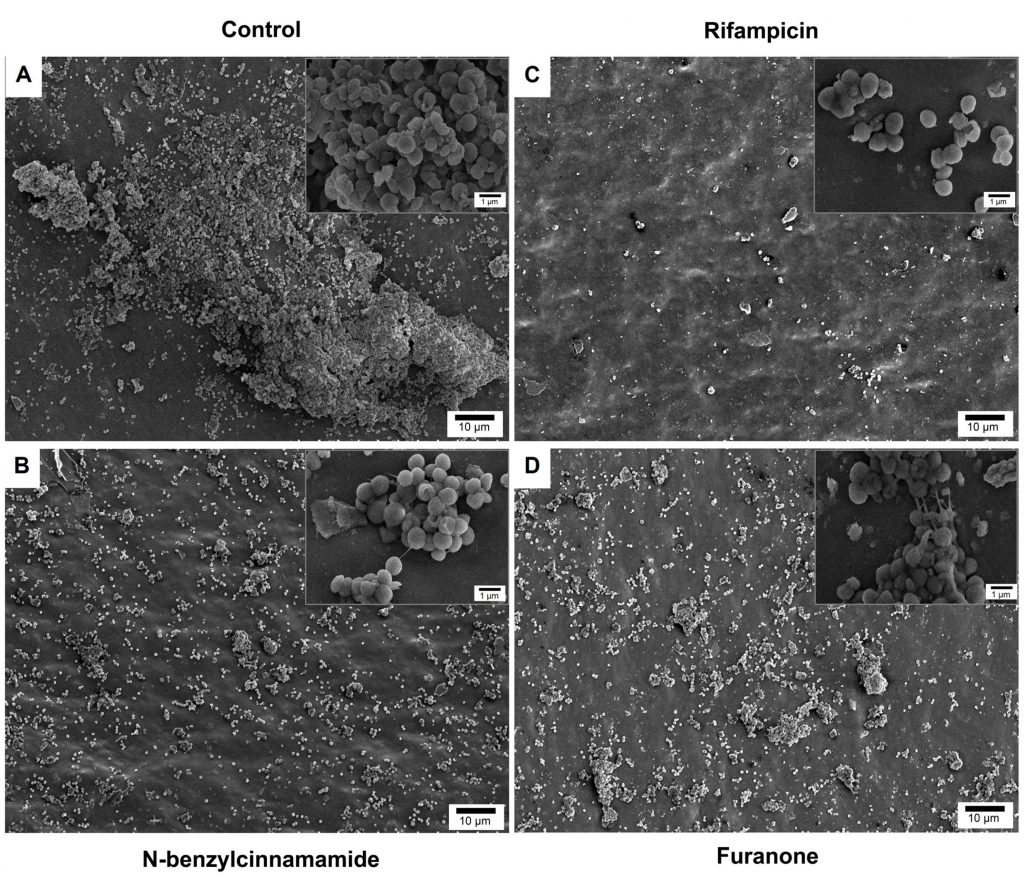
สารสกัดเอทานอลจากสาหร่ายสีแดง Gracilaria fisheri และสารบริสุทธิ์ N-benzylcinnamamide สามารถยับยั้งการยึดเกาะระยะแรกและการสร้างไบโอฟิล์มของ Staphylococcus epidermidis บนพื้นผิวที่เกี่ยวข้องกับอุปกรณ์ทางการแพทย์ได้อย่างมีนัยสำคัญ โดยออกฤทธิ์ที่ระดับความเข้มข้นซึ่งไม่กระทบการเจริญของแบคทีเรีย ลดการแสดงออกของยีนที่เกี่ยวข้องกับไบโอฟิล์ม และไม่แสดงความเป็นพิษต่อเซลล์มนุษย์ภายใต้เงื่อนไขการทดลอง
ที่มาและความสำคัญ
การติดเชื้อที่สัมพันธ์กับอุปกรณ์ทางการแพทย์ (device-associated infections) เป็นปัญหาสำคัญทางคลินิก โดยเฉพาะอย่างยิ่งการติดเชื้อจาก Staphylococcus epidermidis ซึ่งเป็นเชื้อก่อโรคฉวยโอกาสที่สามารถยึดเกาะพื้นผิววัสดุและพัฒนาเป็นไบโอฟิล์มได้อย่างมีประสิทธิภาพ ไบโอฟิล์มดังกล่าวทำหน้าที่เป็นโครงสร้างป้องกันเชื้อจากยาปฏิชีวนะและการตอบสนองของภูมิคุ้มกัน ส่งผลให้การรักษาทำได้ยาก เกิดการติดเชื้อเรื้อรัง และมักต้องถอดหรือเปลี่ยนอุปกรณ์ เช่น สายสวนหรือวัสดุฝังในร่างกาย ซึ่งเพิ่มภาระค่าใช้จ่ายและความเสี่ยงต่อผู้ป่วย กลไกสำคัญของการเกิดไบโอฟิล์มใน S. epidermidis เริ่มจากการยึดเกาะระยะแรกบนพื้นผิว ตามด้วยการสร้างเมทริกซ์นอกเซลล์และการเจริญเติบโตเป็นโครงสร้างสามมิติที่ซับซ้อน ดังนั้นการแทรกแซงในระยะเริ่มต้นของการยึดเกาะและการก่อตัวของไบโอฟิล์ม จึงเป็นแนวทางที่ได้รับความสนใจ เนื่องจากอาจลดแรงกดดันในการคัดเลือกเชื้อดื้อยา งานวิจัยนี้จึงมีวัตถุประสงค์เพื่อประเมินศักยภาพของสารสกัดเอทานอลจาก Gracilaria fisheri และสารบริสุทธิ์ N-benzylcinnamamide ในการยับยั้งการยึดเกาะระยะแรกและการก่อตัวของไบโอฟิล์มของ S. epidermidis บนพื้นผิวที่เกี่ยวข้องกับอุปกรณ์ ศึกษาการเปลี่ยนแปลงของยีนที่เกี่ยวข้องกับการสร้างไบโอฟิล์ม เพื่อสนับสนุนความเป็นไปได้ของการพัฒนาเป็นสารต้นแบบสำหรับการป้องกันการติดเชื้อที่เกี่ยวข้องกับอุปกรณ์ทางการแพทย์ โดยมุ่งเน้นการแทรกแซงกระบวนการก่อโรคมากกว่าการออกฤทธิ์ฆ่าเชื้อโดยตรง เพื่อลดความเสี่ยงของการเกิดเชื้อดื้อยาในระยะยาว
Abstract
Staphylococcus epidermidis is a leading opportunistic pathogen in medical device-associated infections due to its ability to adhere to abiotic materials and develop biofilms that are difficult to eradicate. This study investigated the antibiofilm potential of an ethanolic extract of the red seaweed Gracilaria fisheri and its purified constituent, N-benzylcinnamamide, against S. epidermidis. Antibacterial activity was determined, and antibiofilm effects were assessed using the crystal violet assay and confocal laser scanning microscopy (CLSM). Early bacterial adhesion on glass and polyurethane (PU) surfaces was measured. The effect on catheter-associated biofilms was evaluated by scanning electron microscopy (SEM). Transcripts of biofilm- and quorum-sensing-associated genes (icaA and luxS) were assessed by semi-quantitative RT-PCR. Cytotoxicity was evaluated by MTT assay. At 200 µg/mL, biofilm biomass decreased to 48.21 ± 5.52% with the extract and to 36.65 ± 6.82% with N-benzylcinnamamide. CLSM time-course imaging showed delayed biofilm maturation and less consolidated, discontinuous structures. Surface exposure to the extract markedly reduced early attachment on both materials. On PU catheter segments, SEM demonstrated that N-benzylcinnamamide markedly reduced surface coverage and disrupted three-dimensional biofilm architecture. At the molecular level, transcription of icaA and luxS was reduced. Both the extract and N-benzylcinnamamide showed minimal cytotoxicity in HeLa cells. These findings support further evaluation of these marine-derived agents as candidates for antibiofilm surface treatments to reduce early medical device colonization.
KEYWORDS: Staphylococcus epidermidis, antibiofilm, adhesion, medical device, N-benzylcinnamamide, Gracilaria fisheri
Citation: Karnjana K, Thala S, Wongprasert K. Ethanolic Gracilaria fisheri Extract and Purified N-Benzylcinnamamide Inhibit Staphylococcus epidermidis Adhesion and Biofilm Formation on Device-Relevant Surfaces. Microorganisms. 2026; 14(3):700. https://doi.org/10.3390/microorganisms14030700
RELATED SDGs:
SDG Goal หลัก ที่เกี่ยวข้อง
3. GOOD HEALTH AND WELL-BEING

SDG Goal ที่เกี่ยวข้องอื่น ๆ
14. Life below water
ผู้ให้ข้อมูล: ศาสตราจารย์ ดร.กนกพรรณ วงศ์ประเสริฐ
ชื่ออาจารย์ที่ทำวิจัย: ศาสตราจารย์ ดร.กนกพรรณ วงศ์ประเสริฐ
แหล่งทุนวิจัย: สำนักงานคณะกรรมการส่งเสริมวิทยาศาสตร์ วิจัยและนวัตกรรม (สกสว.)
Credit ภาพ: ศาสตราจารย์ ดร.กนกพรรณ วงศ์ประเสริฐ
Webmaster: ว่าที่ ร.อ. นเรศ จันทรังสิกุล
Tags: adhesion, Antibiofilm, Gracilaria fisheri, medical device, N-benzylcinnamamide, Staphylococcus epidermidis